

We sat down with the legendary yacht designer Bob Perry – the Mick Jagger of yacht design. They spoke about how he got into yacht design, his success in the music world, and what thinks of cruising boats these days. He has a number of ways you can follow and connect with him.
- Club on Facebook
- Book on Amazon
- Magazine column in Latitudes and Attitudes
- Offers boat buying consulting ($750)
Please enjoy the video and transcript below.

Interview Transcript
River Braun: Hey everyone, I’m River Braun with Yacht Site, and I am here today with Robert Perry. He’s going to give us the lowdown on his boat designs, his process, and some of his ideas. Good morning, Bob. How are you doing?
Robert Perry: I’m all right, thank you.
Background and Early Years
River Braun: Awesome. Now, a lot of listeners know your name, but can you start off by telling us a little bit about your background? How did you first get into yacht design?
Robert Perry: Well, I grew up in Sydney, Australia. I moved there when I was one year old from Toledo, Ohio, where I was born. We lived there until I was 12, and then moved to the U.S., settling in Seattle. Well, that’s a long story actually, and much of it doesn’t make any sense, but I didn’t come from a sailing family. We lived in a flat in Australia—no car, no TV—and I slept on a porch.
In high school—or really, at the tail end of junior high—just out of the blue, I got interested in sailing. I had to give a talk in class about something and use visual aids, so I chose sailing, having never sailed in my life. I checked out a bunch of books about sailing and read them, and it just went on from there, step by step.
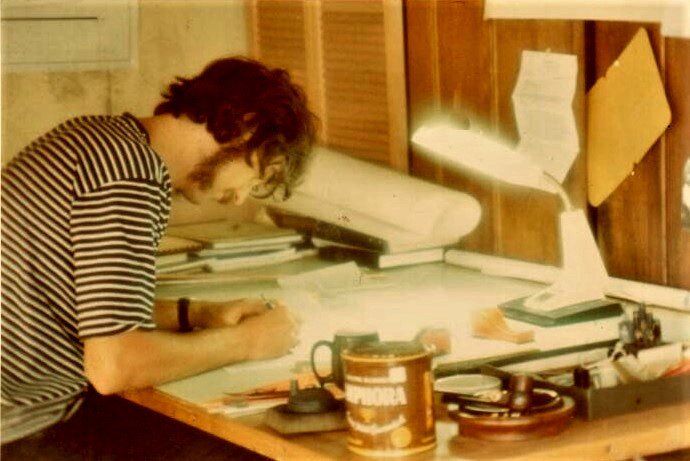
I counted on PE and band to give me two A’s to support my GPA. Then I was kicked out of the band because I had creative differences with the band leader. Halfway through the semester, they didn’t know where to put me in another class because it was halfway through, so they decided to punish me by putting me in mechanical drawing. I took to it immediately. A couple weeks later, I just ruled that class—I really loved mechanical drawing.
One day, my teacher helped me buy some mechanical drawing equipment—a little drafting table and stuff. And I asked myself, “What am I going to draw?” I decided to draw a boat. It just went on from there. I sort of became obsessed. By high school, I was obsessed with yacht design.
Serendipitously, my geometry teacher was a sailor and noticed me drawing boats all the time. He said, “You should go visit Bill Garden.” I knew who Bill Garden was, so I went. After that, the geometry teacher said, “You should join the junior yacht club.” I said, “I can’t join a yacht club.” He said, “It’s only $10 a year.” I said, “Oh, well, I can do that.” So, I did. Then he said, “You should ask Bill Garden if you can crew on his boat.” I said, “Oh, I can’t do that.” But I did, and I ended up crewing with Bill Garden.
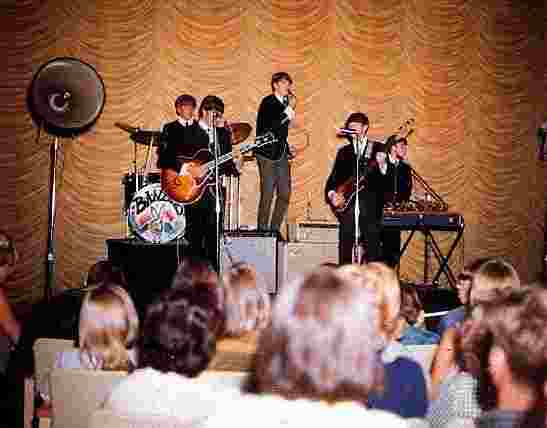
Meanwhile, I played in a rock and roll band, which supported me and put me through college. But really, my focus all the time was on yacht design.
I went to Seattle University because it was the only university around that would take me. They took me on a trial basis; I had to maintain a certain GPA, and I did. I stayed there for three and a half years and left with about 22 hours short of a degree in English. Then I got a job in a yacht design office, quit playing in the band, and did yacht design full-time.
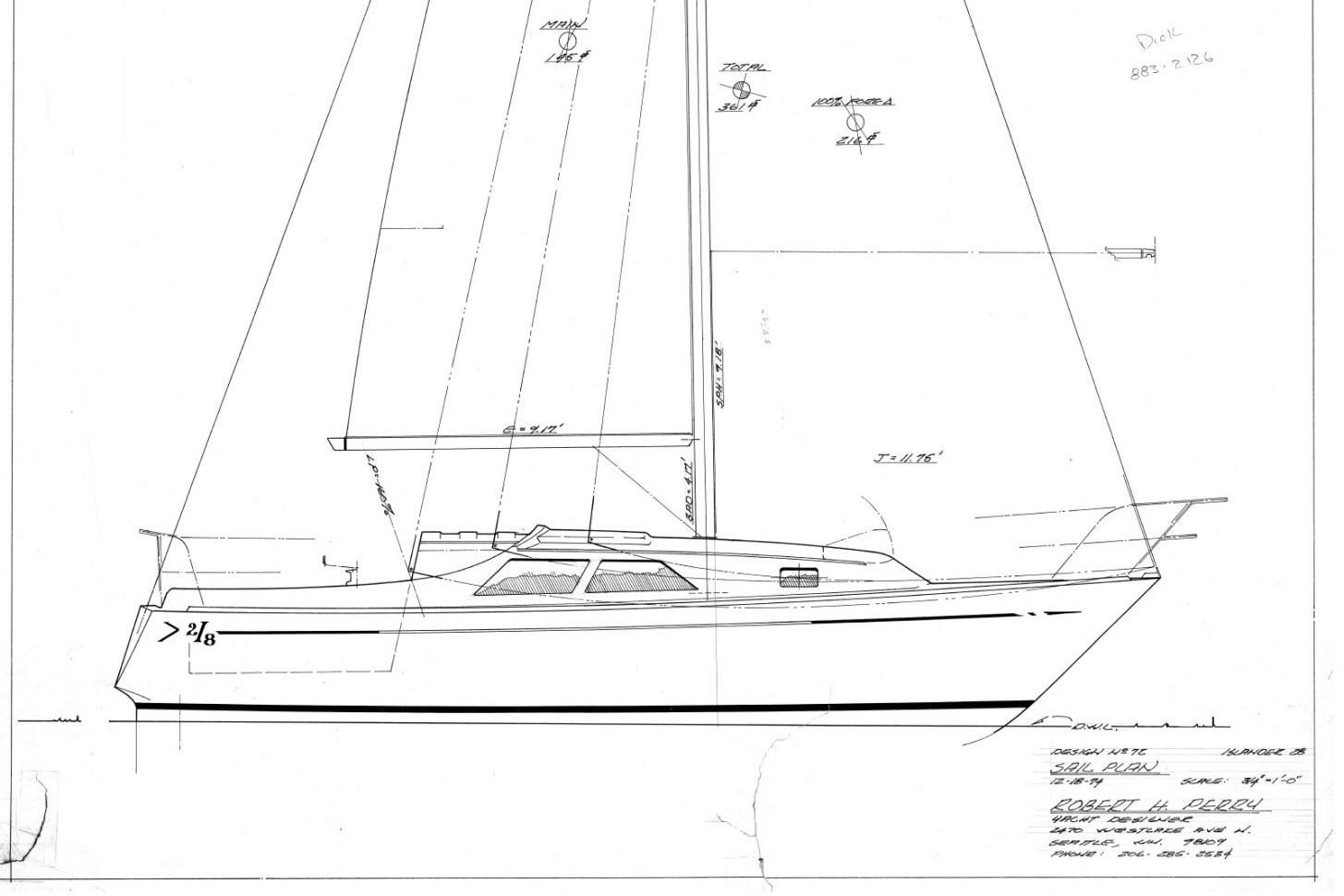
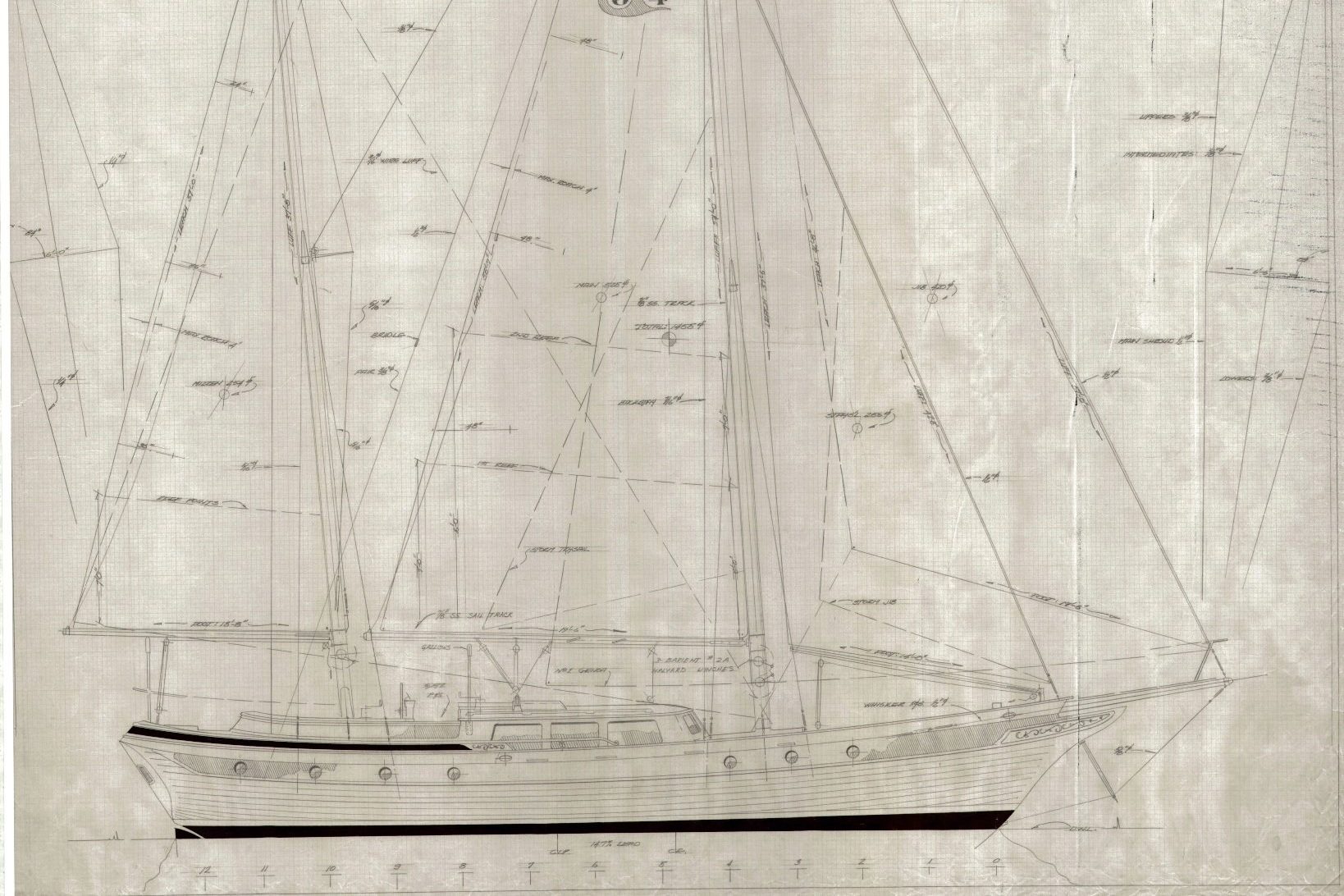
I moved to Boston for a year where I worked for Dick Carter. Then a friend started Valiant Yachts and said, “Will you design the boat?” I said, “Of course I will.” So I quit Boston, moved back to Seattle, and opened my own office. By that time, I had the CT54 design going in Taiwan and the Islander 28 project going. I had gotten those jobs sort of moonlighting while working for Dick Carter. So I had the Islander 28, the CT54, and the Valiant 40 to design. It looked like my relationship with Islander was going to work out really well, so I thought, if I’m ever going to make it on my own, this is the time.
River Braun: And were you afraid of failure in those early days, living hand-to-mouth?
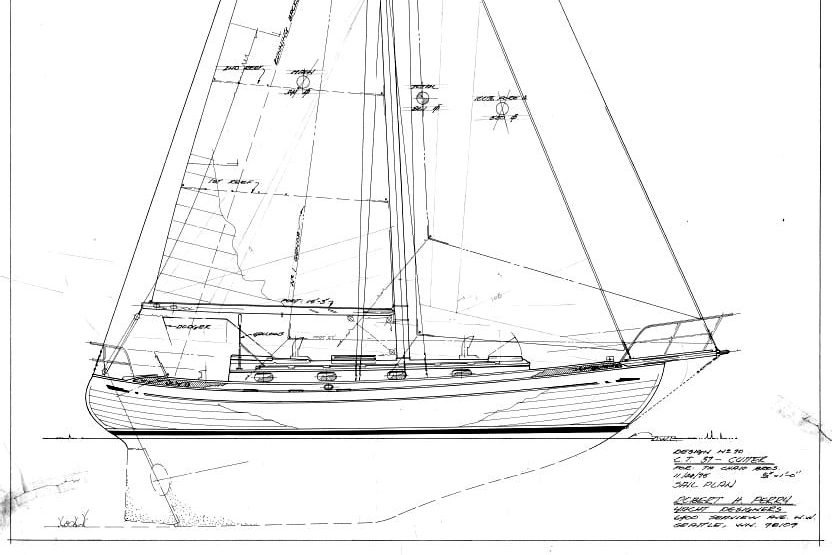
Robert Perry: No, I never gave it a second thought. I just worked hard, put my head down, and things started falling into place. My contact in Taiwan put me in a position that many American designers wouldn’t touch—most didn’t trust Taiwan builders. Well, it was either work with Taiwan builder Ta Chiao or starve, so I had no option. Other Taiwan yards soon contacted me. I did the Tayana 37, which went on to build 600 boats—it’s a modern-day classic now. I learned Mandarin to communicate better in Taiwan, and pretty soon I had three people working with me and we were cranking out designs.
Rock Band Story
River Braun: That’s phenomenal. And the rock band—did it really help put you through college?
Robert Perry: I didn’t join the band to pay for college; I joined because I liked playing music. Two of us were 18, the other three guys were 16. We entered a battle of the bands in Seattle; 60 bands entered, we won. We got a record contract, a management contract, a booking contract. In 1964–65, I was making $1,000 a month playing music. When I got accepted to Seattle University, my father said, “I’m not paying for it.” I said, “I have the band. I can pay for it.” So that’s what happened. The band became a way to finance college plus my interest in yacht design.
Philosophy of Yacht Design
River Braun: Every designer has a philosophy that guides their work. How would you describe yours?
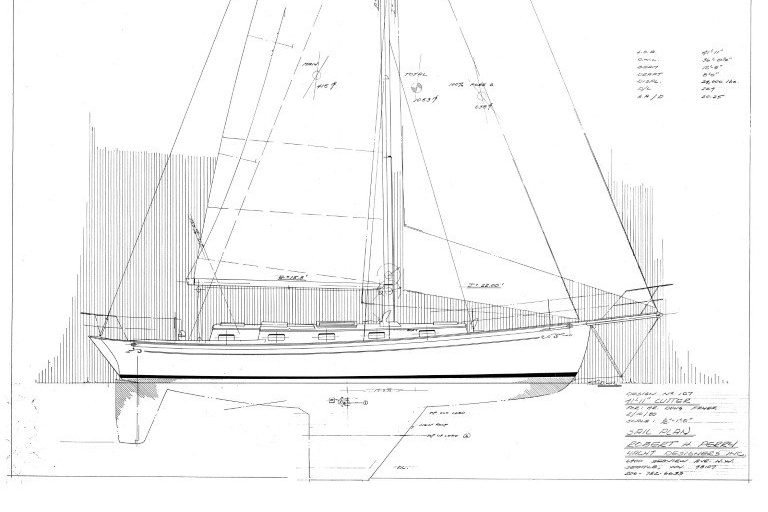
Robert Perry: I’ve always put performance first and worked backward from that. Client needs are always near the top. I also wanted to express myself creatively, so my designs are hopefully recognizable and unique. I don’t want to just clone traditional boats. I leaned heavily on Bill Garden’s work but also studied Bill Trip II, Auggie Nielsen, Sparkman & Stevens, Holtz Gilmer, and many others. I had huge files of cutouts from magazines and design sections. I threw myself into it.
River Braun: Are there recognizable elements that make a Bob Perry boat?
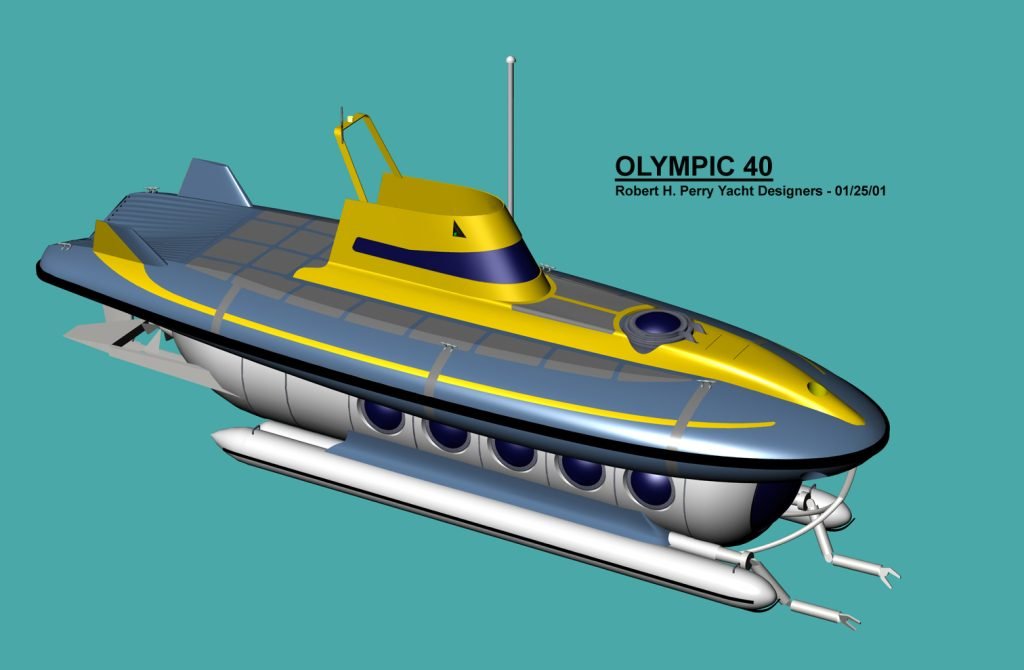
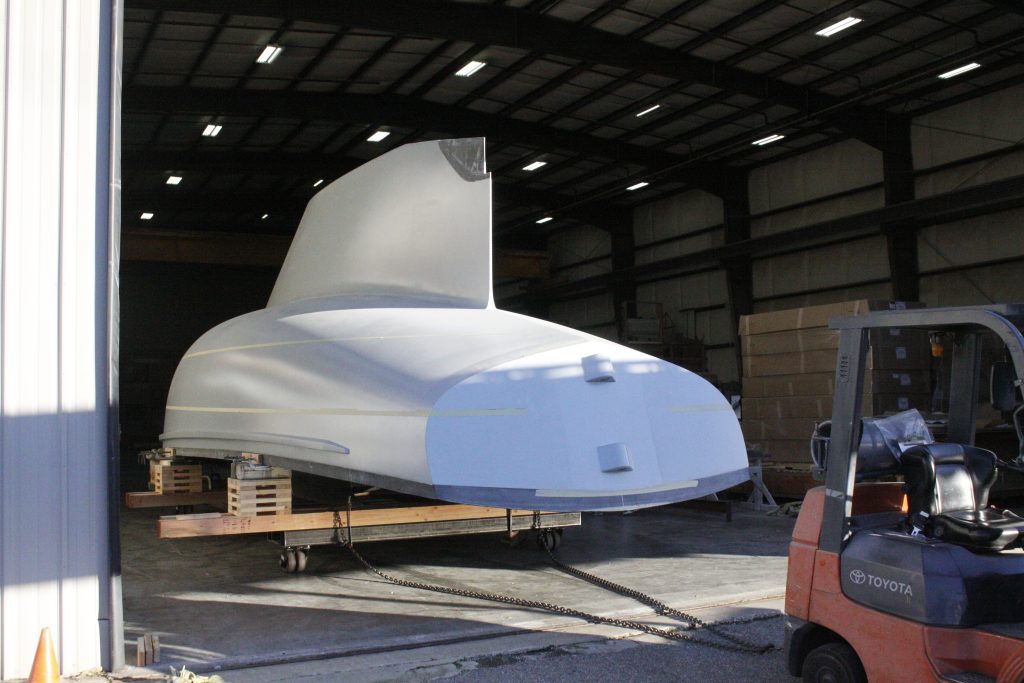
Robert Perry: Not really. I’ve designed everything—from a 40-foot submarine for Paul Allen to 60-foot motorsailers, IMS race boats, six boats for Islander, all the Valiant boats, Nordic boats, Mirage boats, and a gaggle of Taiwan boats. I don’t have a favorite. My favorite is a reflection of the client’s enjoyment of the boat. For example, Nightrunner for a Seattle attorney—he kept that boat up until his death, sailed around Cape Horn, and did a single-handed transit. That’s a testament to the design.
Modern Cruising and Technology
River Braun: Nowadays, many cruisers want comfort and technology. Has that affected your designs?
Robert Perry: Yes. For instance, compare the Valiant 40 (1974) to one of the last Valiant 42s built in Texas—the hull is the same, but the rig and interiors differ. Originally, the Valiant 40 had two batteries, basic instruments, maybe a radio direction finder. Now, cruisers want windlasses, refrigeration, air conditioning, solar panels, giant battery banks—it’s made the basic cruising boat more complex.
River Braun: What have been your greatest challenges?
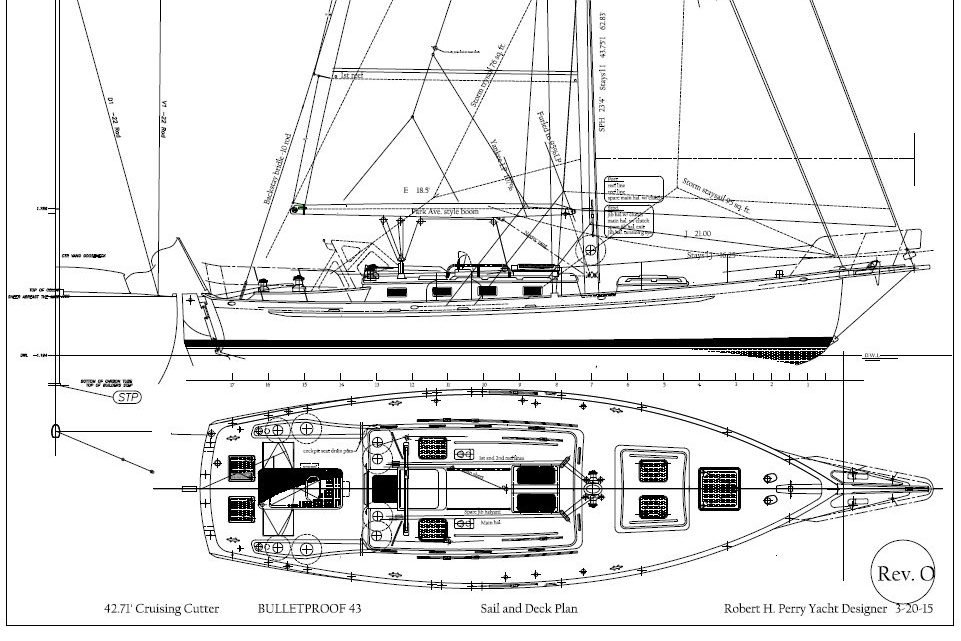
Robert Perry: I recently designed four identical 43-foot carbon fiber cutters—$3 million each. The client wanted backups for the backups. The key is visualizing the boat sailing on a sunny day, 15 knots true wind, everything functioning, the dog happy. That image guides the design. Then I spiral through the design process, refining elements until everything works. For some boats, like the Islander Freeport 36, client requests, like engine placement, drove the hull shape. My book chapter, The Design Spiral, goes into this process. The client’s needs are as important as mine—no client, no design.
Multihulls and Modern Sailing Trends
River Braun: There’s a rise in multihulls. Are you seeing that change how people cruise?
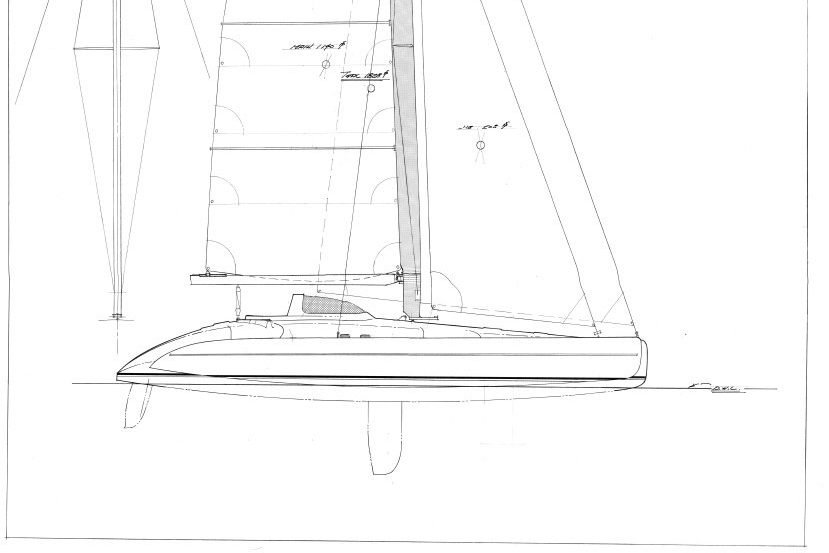
Robert Perry: Oh, yes. I did a 54-foot catamaran, which still races. It’s racier than typical cruising cats, which I don’t admire—they’re built for taking a crowd out in comfort. I’ve been writing for Latitudes & Attitudes about multihulls, especially in chartering. Back in the day, Annapolis boat shows had just two cats in the corner. Now, docks are full of them. I’ve designed a 54-foot cat and a 60-foot trimaran. My heart, though, is in monohulls.
River Braun: Makes sense. But if you were buying a cruising boat today?
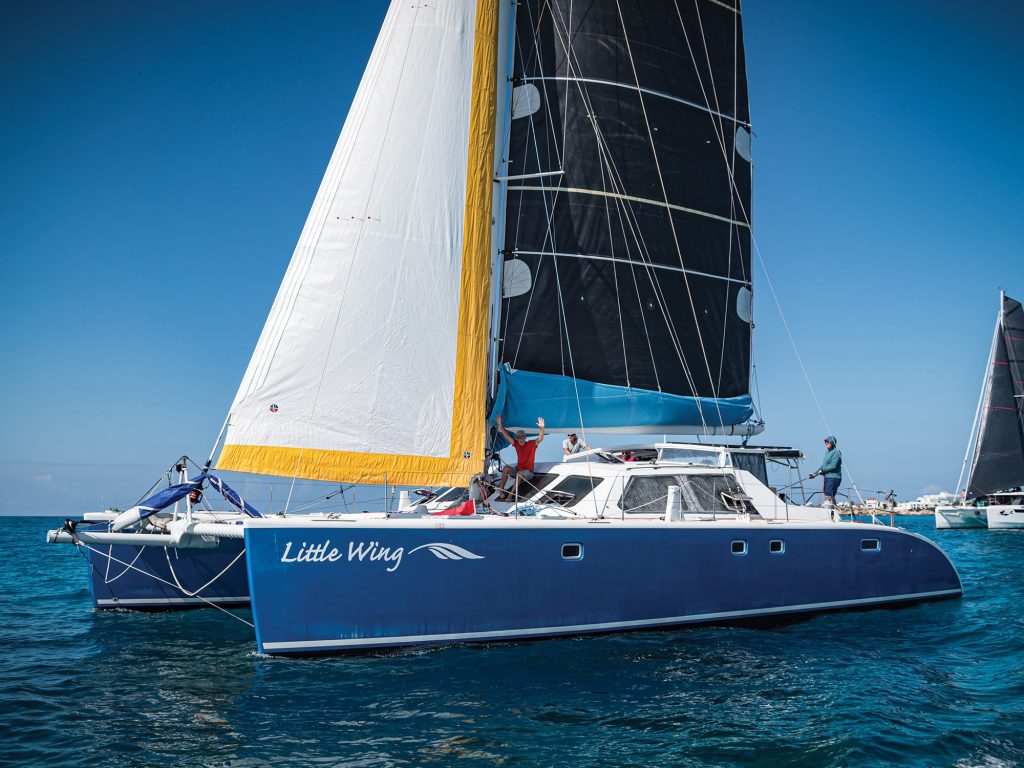
Robert Perry: A catamaran would have huge advantages—practically sails itself, self-tacking jibs, easy access. Everything leading back to old-school monohulls is less important now for me.
Advice for Buyers and Aspiring Designers
River Braun: For people sketching ideas or refitting, where should they start?
Robert Perry: Pick a designer you relate to. You’ll get intimately connected with the client during a custom project. Go through a preliminary design phase exploring approaches. Sometimes clients don’t know what they want until they see what they don’t.
River Braun: For aspiring designers?
Robert Perry: Get a college degree—preferably engineering. Only Southampton, UK has a full-time yacht design program. Opportunities to start out are slim. Be dogged and find ways to support yourself. Financial stability helps; my wife’s teaching job supported us while my income was unpredictable.
Resources and How to Follow Robert Perry
River Braun: How can people follow your current projects?
Robert Perry: I have a Facebook fan club—Robert Perry Yacht Design Fan Club—over 10,000 members. It’s focused on yacht design, with contributions from electricians, sailmakers, builders, and other designers.
You can buy my book on Amazon (out of print but still available occasionally) and read my column in Latitudes & Attitudes, where I feature “Oldies but Goodies,” comparing affordable, robust older boats for new sailors. I also offer consulting ($750) to guide people through the boat-buying process—some clients I’ve helped on three boats.
River Braun: That’s fantastic. Thank you so much for speaking with me today.
Robert Perry: My pleasure.
River Braun: Visit yachtsite.com to see Robert Perry’s designs and more.